


The global streetwear market hit USD 397.97 billion in 2026, with 68% of those sales happening online. Most people assume these brands succeed because of great design. That’s only part of the story. Understanding how online streetwear brands work means looking past the hoodies and into the mechanics of scarcity, community, and timing that turn a clothing drop into a cultural moment. This guide breaks down every layer, from the drop model to the tech stack, so you can see the full picture.
Table of Contents
- The drop model: how timed scarcity drives streetwear sales
- Building community before the sale: why streetwear brands prioritize culture
- E-commerce platforms and tech innovations powering online streetwear sales
- Manufacturing and limited runs: the boutique approach to streetwear production
- Navigating online drop day: strategies for shoppers and brands alike
- Why community and scarcity trump product in online streetwear success
- Explore Phaze Wrld: your gateway to authentic streetwear drops
- Frequently asked questions
Key Takeaways
| Point | Details |
|---|---|
| Drop model basics | Streetwear brands release limited products on scheduled dates, creating exclusivity and hype. |
| Community drives sales | Engaging fans via Discord and collaborations builds anticipation before products launch. |
| E-commerce tech matters | Shopify and similar platforms optimize sites to handle high traffic and deter bots. |
| Small batch production | Limited manufacturing runs help control costs and maintain product quality and rarity. |
| Speed wins drops | Buyers must prepare for fast checkout with saved info and reliable devices to succeed. |
The drop model: how timed scarcity drives streetwear sales
The drop model is the heartbeat of how streetwear brands operate. Instead of stocking shelves year-round, brands release a limited quantity of items at a specific date and time. When they sell out, they’re gone. No restock. No waitlist. Just gone.
This creates urgency that no traditional retail strategy can replicate. You’re not just buying a hoodie. You’re racing against thousands of other people who want the same thing at the exact same moment.
How a typical drop works:
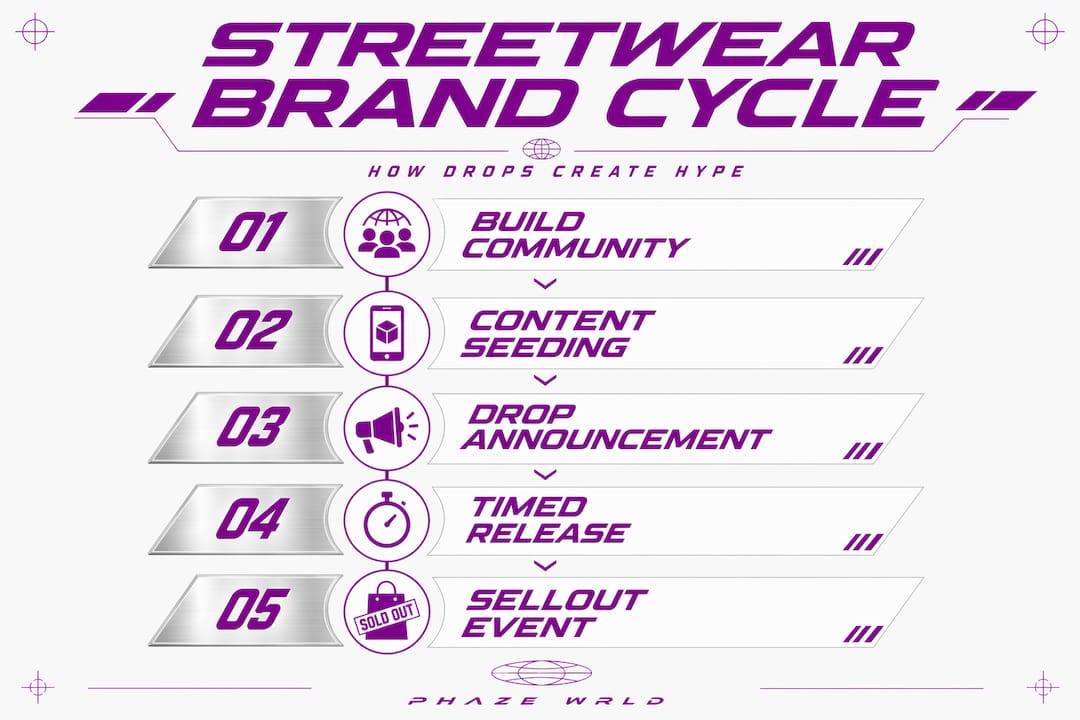
- A brand announces a drop 5-10 days in advance via Instagram, email, or Discord
- A countdown timer goes live on the site
- Drop goes live at a fixed time, usually Thursday or Friday morning
- Items sell out within minutes, sometimes seconds
- Post-drop content (sold-out screenshots, unboxings) extends the marketing cycle
Emerging brands use drop cycles every 4-8 weeks, with 24-48 hour sellout windows being the standard for 80% of them. That cadence keeps the brand visible without flooding the market.
The financial logic is sharp too. Small runs mean low upfront production costs, minimal leftover inventory, and a clean story for the next drop. Every sellout becomes proof of demand, which feeds the next announcement.
| Drop cadence | Brand stage | Typical run size |
|---|---|---|
| Weekly | Established (Supreme, Palace) | 500-2,000 units |
| Every 4-6 weeks | Mid-tier growing brands | 100-500 units |
| Every 6-8 weeks | Emerging brands | 50-200 units |
Pro Tip: If you’re tracking a brand’s drop schedule, check their streetwear brand insights and social channels for pattern recognition. Most brands drop on the same day of the week once they find their rhythm.
Building community before the sale: why streetwear brands prioritize culture
Having explored the drop model, it’s clear that drops alone aren’t enough without a dedicated community fueling the hype. The product is almost secondary. What you’re really buying into is belonging.
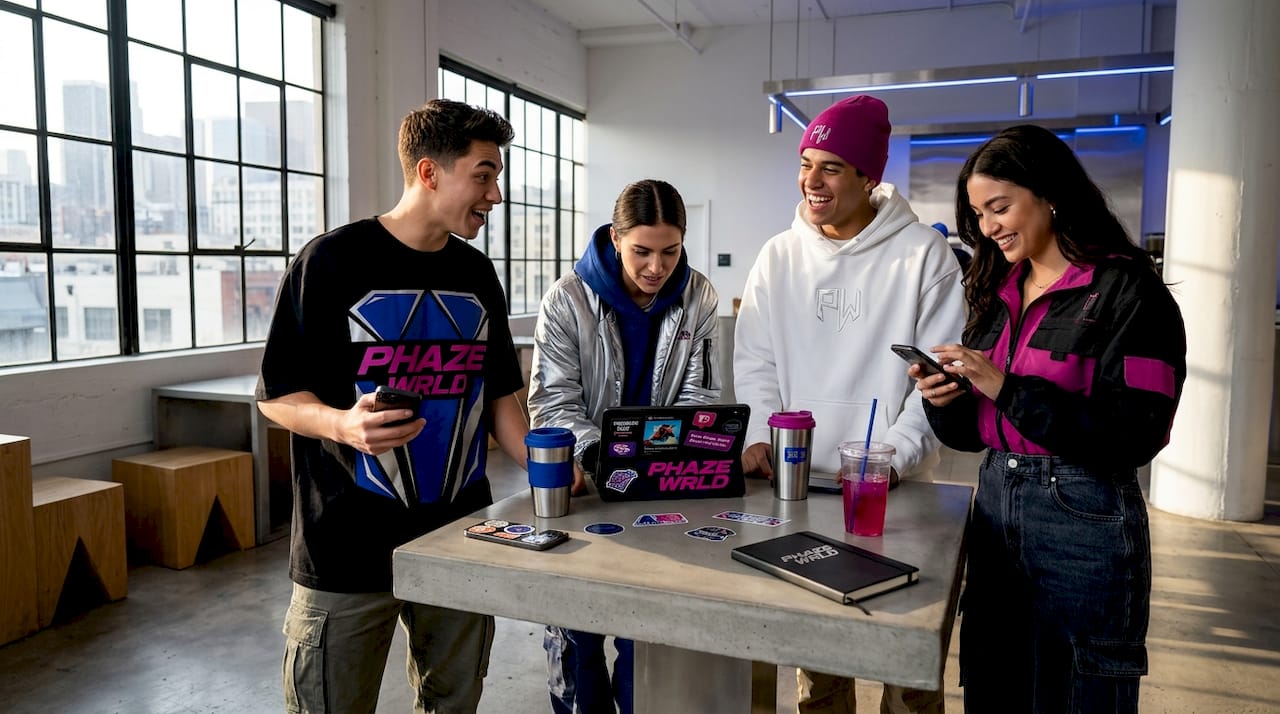
The most effective online streetwear brands build their audience months before a product exists. They seed content, run Discord servers, and involve their most loyal fans in design decisions. By the time a drop goes live, demand is already at a boil.
Brands build community first, using Discord for private engagement, co-creation, and hype before selling. A brand’s Discord might have channels for design feedback, early-access codes, and exclusive behind-the-scenes content. That’s not just engagement. That’s ownership. Fans feel like they helped build what they’re buying.
Community-building tactics that actually work:
- Seed products to 10-20 micro-creators 4-6 weeks before a drop for organic content
- Host pop-ups in specific neighborhoods to create local credibility and photo moments
- Run design polls on Instagram Stories to make followers feel like co-creators
- Use gated Discord channels for early-access links that reward loyal members
- Avoid paid influencer campaigns early on. Organic word-of-mouth carries more weight in streetwear culture
Exclusive drop events and gated channels create psychological ownership that goes beyond the purchase itself. When someone got early access because they’ve been in the Discord for six months, that hoodie means more than the fabric it’s made from.
Social commerce plays a huge role here too. TikTok and Instagram Reels function as discovery engines. A 15-second unboxing video from a genuine fan reaches more potential buyers than a paid ad, and it costs nothing.
Pro Tip: Follow a brand’s community-driven streetwear pieces on social before a drop. The comment section is often where you’ll spot early hype signals and find out if a drop is worth your time.
E-commerce platforms and tech innovations powering online streetwear sales
With a thriving community and a drop model in place, the right technology completes the picture. A brand can have the best design and the most loyal fans, but if their site crashes during a drop, it’s over.
About 80% of streetwear brands run on Shopify, which has built-in features specifically suited for high-traffic drop events. Fast load times, accelerated checkout, bot protection apps, and AR product try-ons all come into play during a drop window.
Key tech features that matter on drop day:
- Countdown timers that sync with the exact drop time
- Real-time stock visibility so buyers know how many units remain
- Queue systems that manage traffic spikes without crashing the site
- Bot filters and CAPTCHA tools to protect inventory from resellers
- One-click checkout with saved payment and shipping info
| Platform | Best for | Drop support | Price range |
|---|---|---|---|
| Shopify | Most streetwear brands | Excellent | $39-$399/month |
| BigCommerce | Larger catalogs | Good | $39-$299/month |
| Squarespace | Visual-first brands | Limited | $23-$65/month |
Bot traffic is a real problem. Up to 25% of drop traffic can come from automated bots trying to buy inventory for resale. Brands counter this with randomized queue systems, checkout time limits, and phone verification. It’s an ongoing arms race.
The smartest brands also run a hybrid model. Drops handle the hype, but evergreen Shopify streetwear products like classic tees and staple accessories stay live year-round to generate steady revenue between drops.
Pro Tip: Before a drop, clear your browser cache, enable autofill for your payment info, and test your checkout on the brand’s site if they have a test mode or a live evergreen product. Speed is everything.
Manufacturing and limited runs: the boutique approach to streetwear production
Understanding production adds clarity on how brands stay exclusive without burning cash. The answer is small-batch manufacturing guided by detailed tech packs.
A tech pack is the blueprint for a garment. It includes sketches, fabric specifications, colorways, sizing charts, and construction details. Without one, manufacturers produce inconsistent results. With one, a brand can send the same file to factories in Portugal, Turkey, or Los Angeles and get a predictable outcome.
The production process for a typical streetwear drop:
- Finalize the design concept and create a full tech pack
- Source a manufacturer with low minimum order quantities (MOQ), often 50-100 units
- Order 2-3 samples and test fit, fabric weight, and print quality
- Revise the tech pack based on sample feedback
- Approve the final sample and place the full production order
- Quality check on delivery before photographing and listing
Streetwear brands typically produce 50-200 units per drop, using tech packs and sampling to perfect fit and quality before committing to a full run. That range keeps upfront costs manageable while preserving the scarcity that makes drops work.
| Production volume | Cost per unit (avg) | Risk level |
|---|---|---|
| 50 units | High | Low financial risk |
| 100-200 units | Medium | Moderate |
| 500+ units | Low | Higher inventory risk |
Once a design proves itself through sellouts, some brands introduce it as an evergreen SKU, a permanent listing that funds the next experimental drop. This hybrid approach is how streetwear production methods evolve from risky experiments into sustainable businesses.
Pro Tip: If you’re building a brand, start with one hero product at 100 units rather than spreading budget across five styles. A single perfect hoodie that sells out builds more credibility than five mediocre options that linger.
Navigating online drop day: strategies for shoppers and brands alike
Having covered brand-side preparation, let’s look at what actually happens when the clock hits zero. Drop day is equal parts sport and theater.
For buyers, preparation starts days before. You set an alarm, pre-load the product page, and have your payment info saved and tested. Some people use multiple devices simultaneously, a phone, a tablet, and a laptop, to multiply their chances. Wired internet beats Wi-Fi every time when milliseconds matter.
Buyer tactics that improve your odds:
- Create an account on the brand’s site before drop day, never check out as a guest
- Save your shipping address and payment method in advance
- Open the product page 5 minutes early and refresh at the exact drop time
- Use a desktop browser for faster processing over mobile apps
- Avoid using VPNs, which can trigger bot filters and get you blocked
On the brand side, Supreme and Palace use queue systems and checkout time limits to deter bots, with drop times varying regionally to manage global demand. A brand might drop at 11am EST for the US, then 11am GMT for Europe, creating two separate hype cycles from a single release.
The resale market activates within minutes of a sellout. Items listed on resale platforms for 2-3x retail price validate the brand’s scarcity strategy and push urgency even higher for the next drop. It’s a feedback loop that benefits the brand even when they don’t see a cent of the resale profit.
Pro Tip: Bookmark the how to cop streetwear drops product pages you want before drop day. Navigating from a homepage under traffic load wastes precious seconds.
Why community and scarcity trump product in online streetwear success
Here’s the uncomfortable truth most people miss: the best-designed hoodie in the world will not sell out in three minutes without cultural infrastructure behind it. Product quality is the floor, not the ceiling.
Conventional wisdom in fashion says volume and visibility win. Make more, advertise more, reach more people. Streetwear inverts this completely. The brands that last are the ones that deliberately restrict access and obsessively protect their cultural positioning.
Palace treats unsatisfied demand as brand equity, refusing quick restocks to protect long-term positioning. That’s a counterintuitive business decision. Leaving money on the table on purpose. But it works because scarcity creates desire, and desire creates culture.
What most people also misread is the sellout metric. A fast sellout isn’t just a demand signal. It’s an emotional event. The people who got the item feel pride. The people who missed out feel urgency for the next drop. Both groups talk about the brand. That conversation is worth more than any ad spend.
The brands that fail are the ones that chase short-term revenue by restocking popular items or over-producing to meet demand. They flatten the emotional stakes. Once everything is available all the time, nothing feels special.
Community management is the other underrated skill. Brands that host design votes, give Discord members first access, and respond to fans by name build something that money genuinely cannot buy. Loyalty that survives a bad drop, a delayed shipment, or an off-season. That’s what separates a brand from a store.
The real long-term streetwear brand strategy isn’t about the next collection. It’s about managing perception, maintaining scarcity, and giving your community a reason to stay invested between drops. Get those three things right and the products almost sell themselves.
Explore Phaze Wrld: your gateway to authentic streetwear drops
Everything covered in this guide, the drop model, community-first culture, and tight production runs, is exactly how Phaze Wrld operates. This isn’t a brand that just sells clothes. It’s a movement built around street credibility and individual expression, with drops designed to create exactly the kind of urgency and culture you just read about.
Browse the current collection and you’ll find pieces like the oversized curved hoodie and the boxy oversized t-shirt, both built with the same boutique attention to fit and detail that defines the best streetwear brands. Sign up for drop announcements so you’re never caught off guard when the next release goes live. Free shipping over $99, easy returns, and price matching mean you can shop with confidence. Own the Streets starts here.
Frequently asked questions
What is the drop model in online streetwear?
The drop model releases limited quantities of new streetwear at scheduled times, with sales windows of 24-48 hours or until items sell out, creating urgency and exclusivity that drives rapid purchases.
How do streetwear brands build community online?
They engage fans through Discord channels, pre-drop seeding to creators, and gated content, with private channels for early access and co-creation fostering loyalty well before any product goes on sale.
Why do brands avoid restocking sold-out streetwear items?
Brands like Palace refuse quick restocks to treat unsatisfied demand as brand equity, preserving exclusivity and long-term brand value over short-term revenue gains.
What technology supports online streetwear drops?
Shopify powers about 80% of brands’ stores with fast load times, bot protection, AR try-ons, and checkout flows built to handle the traffic spikes that come with competitive drop releases.
How do shoppers improve their chances of securing items during streetwear drops?
Successful buyers use desktop autofill and pre-saved payment info, connect via wired internet, open product pages early, and avoid VPNs to prevent being flagged as bot traffic during high-demand drops.
Recommended
- Phaze Wrld Streetwear Brand | Enter Your Next Phase | PHAZE WRLD
- Oversized Boxy Graphic Tee – PhazeWrld See Beyond | Drop Shoulder Cotton | PHAZE WRLD
- Contrast Raglan T-Shirt – Loose Fit Unisex Streetwear Tee | PHAZE WRLD
- Boxy Oversized Hoodie – PhazeWrld Rewound Star Shooter | Flower Gray | PHAZE WRLD